Is Print-on-Demand Still Profitable in 2026? Here's What the Data Says

Print-on-Demand in 2026: Is the business still worth it? That's the question keeping a lot of operators up at night — and for good reason. Apparel tariffs in key markets have surged to 30–50%. Logistics and energy costs are still climbing. US apparel import volumes have fallen more than 20%. On paper, print on demand 2026 looks like a challenging place to build a profitable business. And that's true — if your model is built on cheap, generic volume and razor-thin margins. But something else is happening simultaneously, and that's the part worth paying close attention to.
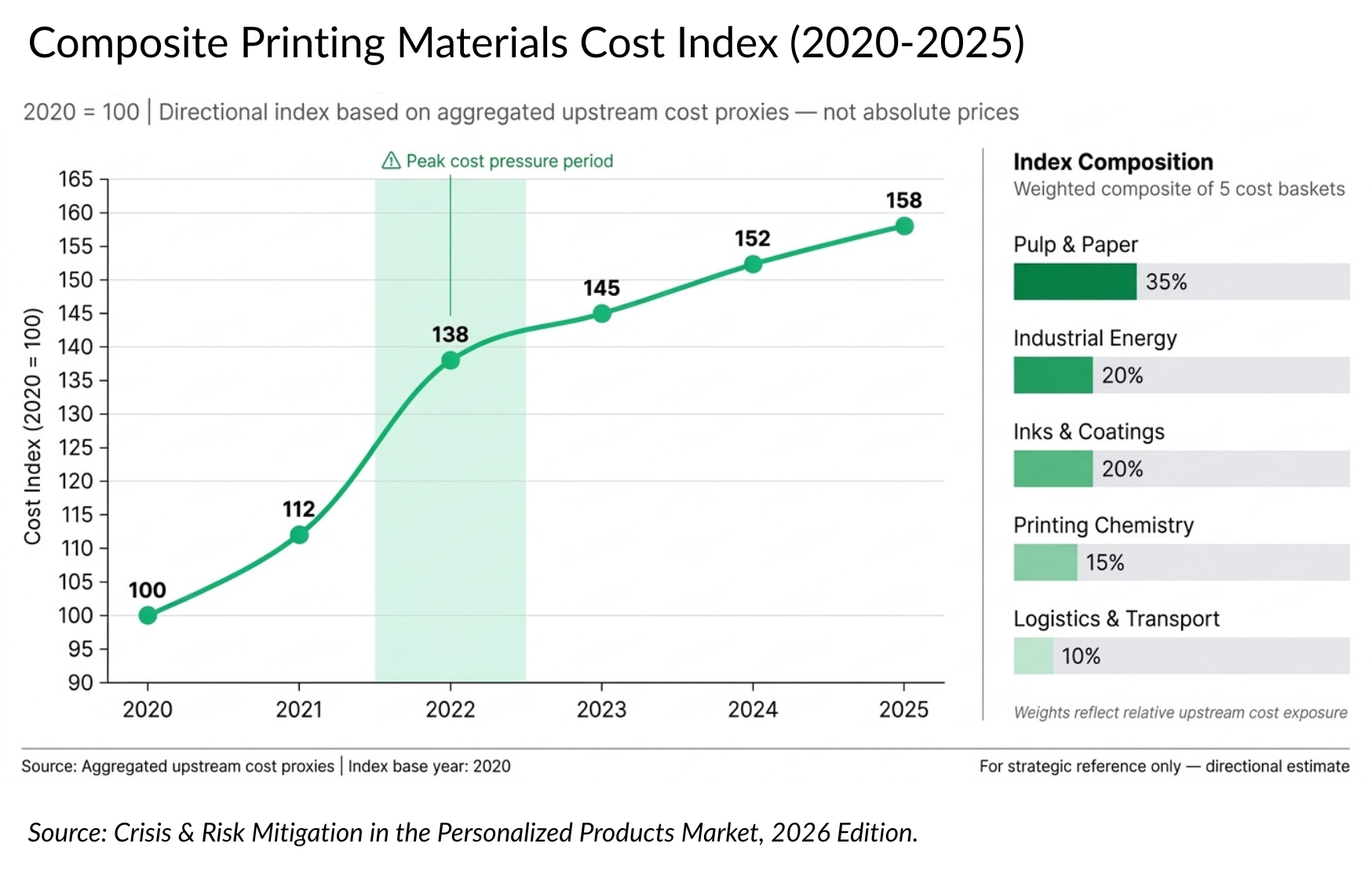
The 2026 Reality Check: Tariffs, Costs, and Selective Consumers
The macro pressures are real — and they aren't going away anytime soon. Sustained tariff regimes, elevated logistics costs, and energy price volatility have fundamentally repriced the economics of generic, import-heavy fulfillment models. If your strategy depended on volume at minimum margin, 2026 is an uncomfortable year to be running that playbook.
But here's where the picture gets more interesting: consumer behavior hasn't simply contracted — it has split in two. People are cutting back on generic, forgettable purchases. They are not, however, cutting back on things that feel meaningful to them.
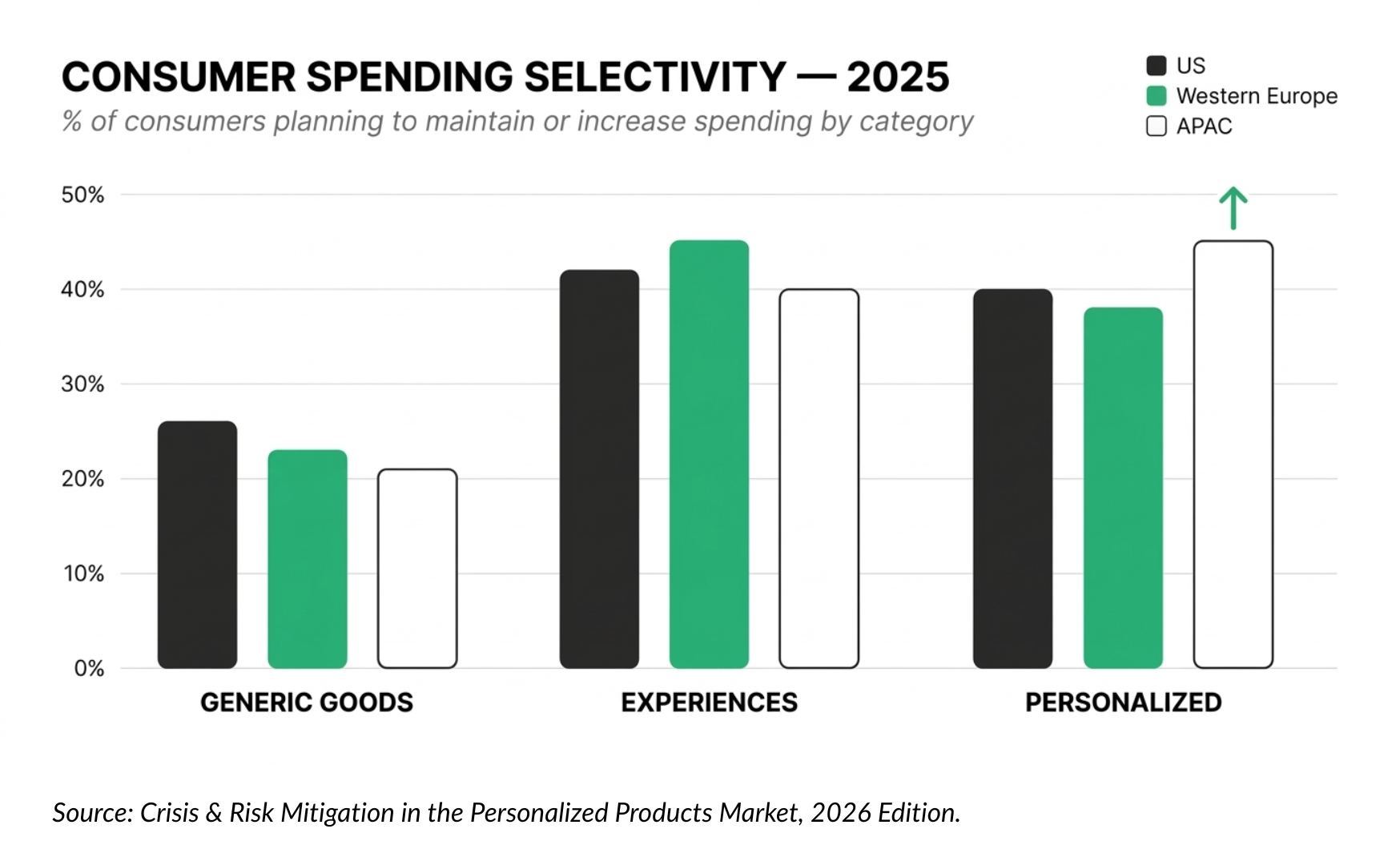
So, is personalization business profitable in 2026? The honest answer: it depends entirely on what you're delivering and how efficiently you can deliver it. Think of it like dining out during an economic downturn — people stop buying unremarkable lunches at forgettable chains, but they still celebrate anniversaries somewhere worth the bill. Personalized photo products, executed well, live firmly in that second category.
Profitability in this environment goes beyond chasing volume for its own sake. It's primarily about delivering genuine emotional value without allowing your cost structure to grow at the same rate. That's a narrower path, but more relevant in the current reality.
Moving Beyond Generic POD: The Tech Stack for Survival
Knowing that premium personalization is the right strategic direction is one thing. Building the operational infrastructure to actually deliver it — profitably, consistently, under real market pressure — is a different conversation entirely.
The operators navigating 2026 well aren't just making smarter product decisions. Instead, they're running smarter businesses. The most useful framework for thinking about this breaks down into three pillars: Agility, Margin Defense, and Unlocking Demand.
Agility means being able to respond fast — to demand shifts, new channels, or market disruptions — without rebuilding your stack from scratch each time. Margin Defense means protecting per-transaction economics through operational efficiency, not price increases that quietly erode your customer base. And Unlocking Demand means identifying and converting buyers who are actively looking for what you offer, rather than casting a wide, expensive net at everyone and hoping.
These principles translate into very specific operational decisions. Production automation — auto-generated files, barcodes, real-time order tracking — is precisely what keeps from becoming your own quarterly headline. And the speed of your fulfillment architecture determines whether you actually capture a demand spike or simply watch it pass.
This is what serious infrastructure looks like in practice: not a feature list, but compounding operational decisions that simultaneously protect margin and extend reach.
2026 Is Not for Everyone — And That's the Point
The era of easy growth in print-on-demand is over. That's not pessimism — it's a market doing what markets eventually do: filtering out operators who optimized for short-term comfort and rewarding those who built for the long game.
In 2026, technology is no longer just infrastructure. It becomes the vehicle for operational intelligence, the difference between a business that actively defends its margins and one that slowly gives them away, decision by decision, quarter by quarter. The operators still standing are the ones who did the unglamorous work: building the right systems, closing operational leaks, and turning small efficiencies into durable competitive advantage.
That's not a guarantee of survival. But it's the closest thing to one this market currently offers.
Stop guessing and start steering your risk.
Download the full "Crisis and Risk Mitigation in the Personalized Products Market 2026" report. Get the data, the case studies, and the strategic playbook you need to thrive in the era of friction.
Download the 2026 Playbook → https://www.getprintbox.com/personalized-products-industry-report